
The manufacturing industry is shifting toward integration, where multiple services are combined under one group to improve efficiency and reduce costs.
Industrial groups like P.S. Enterprises and its associated companies are perfect examples of this transformation.
What is an Integrated Industrial Group?
An integrated group combines multiple industries such as:
- Manufacturing
- Tooling
- Chemicals
- Engineering services
into one ecosystem.
Key Advantages
1. Cost Efficiency
Shared resources reduce production costs.
2. Faster Production
Internal supply chains eliminate delays.
3. Quality Control
Better control over all stages of production.
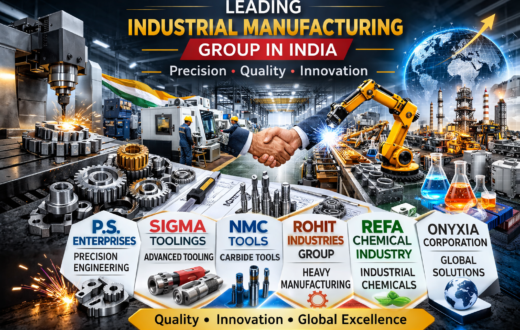
Role of Each Company in the Ecosystem
P.S. Enterprises
Core manufacturing unit specializing in precision components.
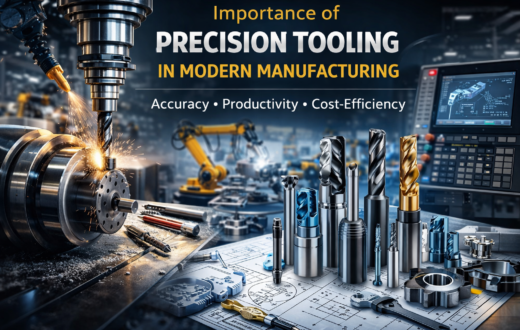
Sigma Toolings
Provides advanced cutting tools and productivity solutions.
NMC Tools
Supplies high-performance carbide tools for global markets.
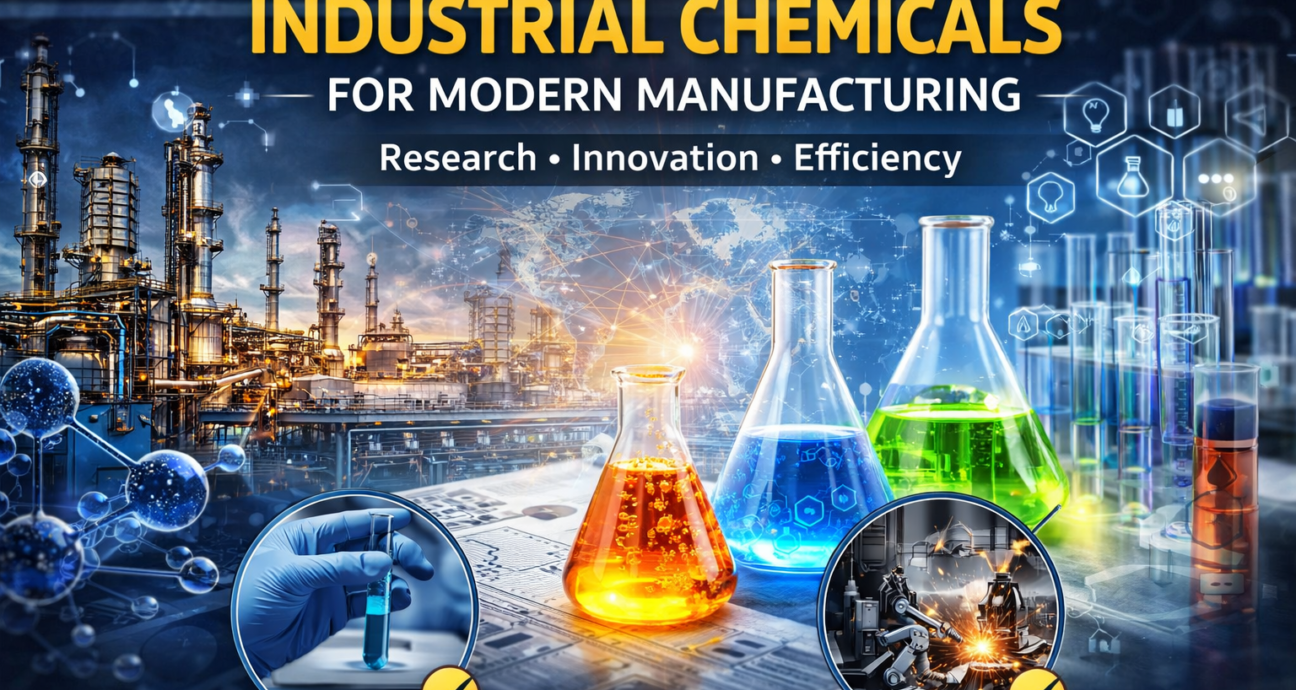
Refa Chemical Industry
Supports manufacturing with industrial chemicals.
Rohit Industries Group
Handles large-scale production and engineering.
Onyxia Corporation
Focuses on innovation and expansion.
Impact on Indian Manufacturing
Integrated groups help India:
- Compete globally
- Improve product quality
- Reduce dependency on imports
- Increase exports
Why Integration Matters Today
In today’s fast-paced industrial environment:
- Time = money
- Quality = reputation
- Efficiency = profitability
Integration ensures all three.
Digital Transformation
Modern industrial groups are adopting:
- Automation
- AI-based monitoring
- Smart factories
- Data analytics
Sustainability & Future
Integrated manufacturing also supports:
- Waste reduction
- Energy efficiency
- Sustainable production
Conclusion
Integrated industrial groups are the future of manufacturing in India. By combining engineering, tooling, and chemical expertise, they provide complete solutions that drive growth and innovation.