
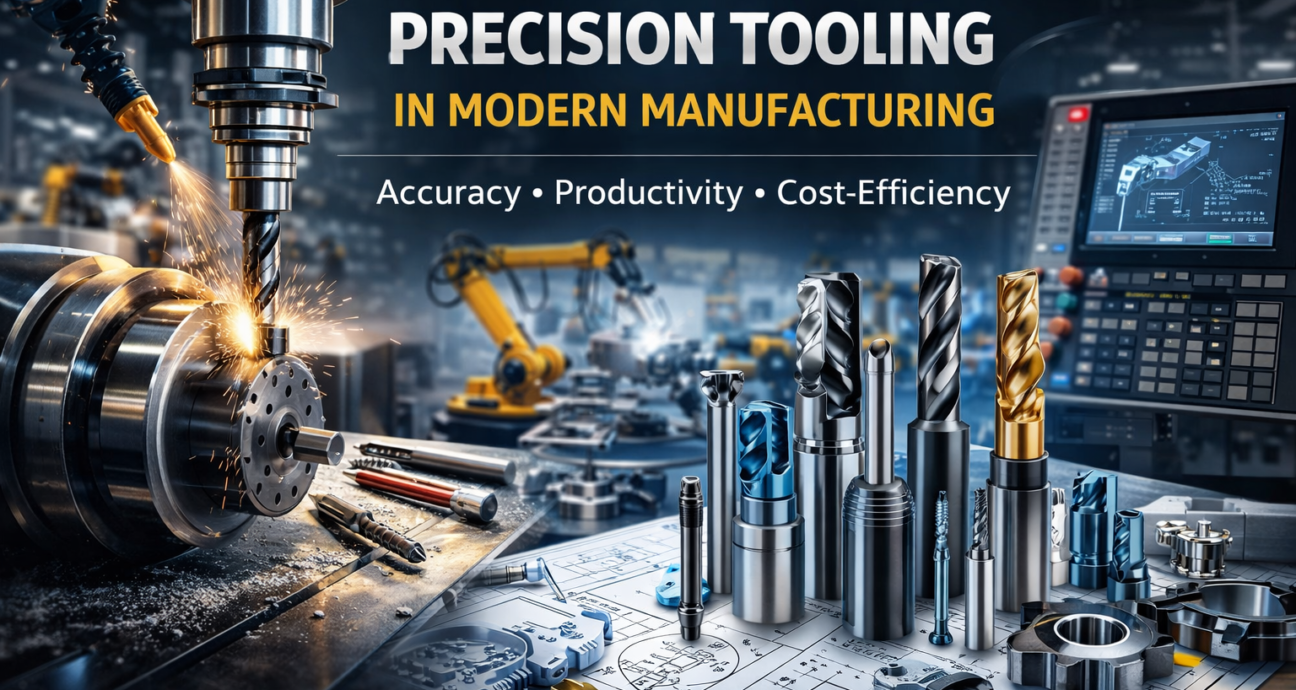
Precision tooling is the backbone of modern manufacturing. Without high-quality tools, achieving accuracy and efficiency in production becomes nearly impossible.
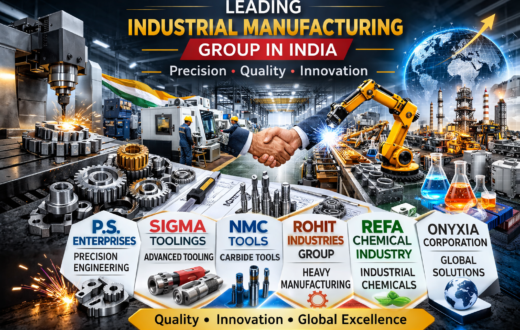
Companies like Sigma Toolings and NMC Tools are leading the way in developing advanced tooling solutions that enhance productivity and reduce operational costs.
What is Precision Tooling?
Precision tooling refers to specialized tools designed to manufacture components with extremely tight tolerances.
These tools include:
- Carbide cutting tools
- Boring heads
- Milling cutters
- Drilling tools
Role in Manufacturing
Precision tooling impacts multiple aspects of production:
1. Accuracy
High-quality tools ensure exact dimensions and reduce defects.
2. Productivity
Efficient tools reduce cycle time and increase output.
3. Cost Reduction
Less tool wear and fewer reworks lower overall costs.
Sigma Toolings – Driving Innovation
Sigma Toolings is a pioneer in customized tooling solutions, offering advanced metal cutting tools and engineering services.
They focus on:
- Cycle time reduction
- Productivity enhancement
- Digital tooling solutions
Their innovative approach helps manufacturers stay competitive.
NMC Tools – Global Quality Standards
NMC Tools specializes in high-performance carbide tools that deliver superior cutting performance.
Key features include:
- High wear resistance
- Consistent performance
- Global export quality
Their tools are widely used in automotive and heavy industries.
Integration with Manufacturing Units
Companies like P.S. Enterprises benefit from advanced tooling by:
- Improving machining accuracy
- Increasing production efficiency
- Reducing downtime
Industry 4.0 & Tooling
Modern tooling is now integrated with digital systems:
- Smart monitoring
- Predictive maintenance
- Data-driven production
This ensures maximum efficiency and minimal waste.
Benefits of Using Advanced Tooling
✔ Higher productivity
✔ Better surface finish
✔ Longer tool life
✔ Reduced manufacturing cost
Challenges in Tooling
Despite its benefits, tooling comes with challenges:
- High initial investment
- Need for skilled workforce
- Continuous innovation requirements
Future Trends
The future of tooling includes:
- AI-powered tools
- Automation integration
- Sustainable materials
- Smart factories
Conclusion
Precision tooling is essential for modern manufacturing success. Companies investing in advanced tooling solutions gain a competitive advantage in quality, efficiency, and profitability.